
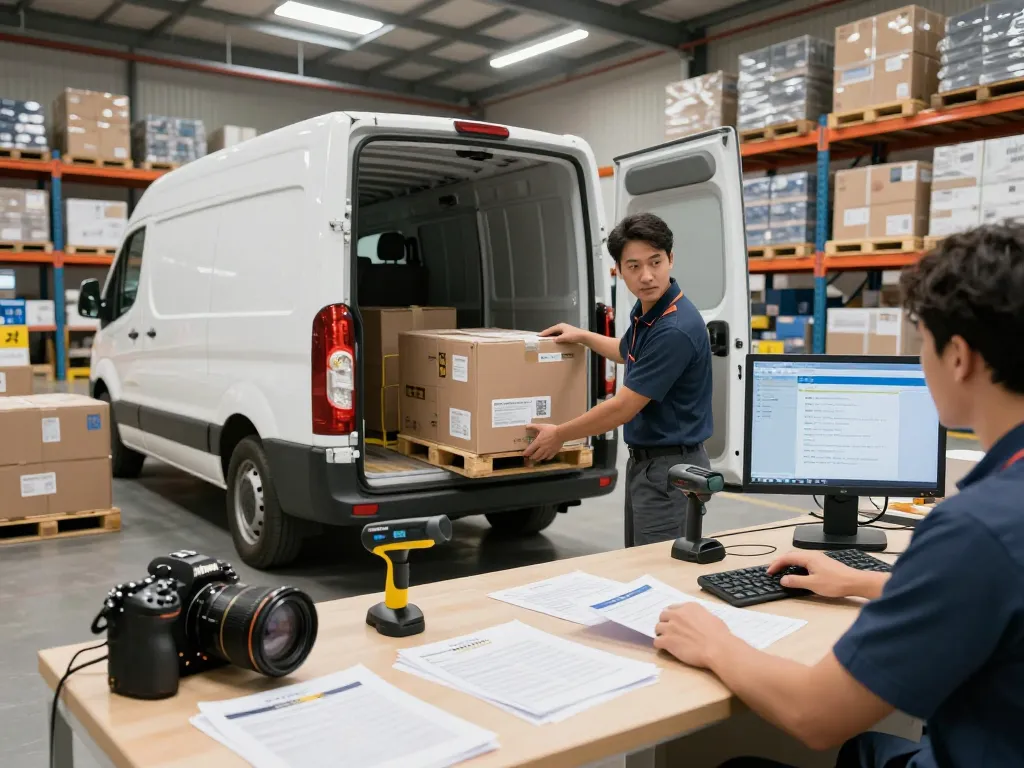
Understanding the Basics of Logistics
In an increasingly interconnected world, logistics plays a pivotal role in ensuring that goods and services move efficiently from production to consumption. Understanding logistics is not just about transportation; it encompasses various activities including warehousing, inventory management, and distribution. Efficient logistics can significantly affect a company’s bottom line, customer satisfaction, and overall operational performance. When exploring options, Logistics serves as a comprehensive approach that integrates all these elements seamlessly.
What is Logistics and Its Importance?
Logistics is the detailed coordination of complex operations involving people, facilities, and supplies. It includes planning, execution, and control of the movement and placement of goods, services, and related information within a supply chain to meet customer requirements. The importance of logistics cannot be overstated; it ensures that products are delivered on time, reduces costs, and increases customer satisfaction.
Effective logistics management can lead to improved efficiency and competitiveness. Companies that prioritize logistics are better positioned to respond to market changes and consumer demands quickly. This capability is particularly crucial in the context of time-critical transport, where delays can lead to significant business setbacks.
Types of Logistics Services Explained
Logistics services can be broadly categorized into several types, including:
- Inbound Logistics: This involves the transportation of raw materials and components from suppliers to manufacturers.
- Outbound Logistics: This deals with the distribution of finished products to customers.
- Third-Party Logistics (3PL): Companies may outsource logistics to third-party providers, which can enhance flexibility and scalability.
- Reverse Logistics: This addresses the process of returning goods, reclaiming value, or responsibly disposing of products.
- Green Logistics: The sustainability aspect of logistics, focusing on minimizing the environmental impact of logistics activities.
Each type requires a unique strategy to ensure efficiency and effectiveness.
Challenges in Time-Critical Logistics
Time-critical logistics presents unique challenges that require swift responses and a proactive approach. Companies like Bennison Transport excel in this area, ensuring that time-sensitive shipments are delivered promptly regardless of the obstacles faced.
Common Obstacles in Express Shipping
Some of the common obstacles in express shipping include:
- Traffic Delays: Congestion can severely impact delivery schedules.
- Weather Conditions: Adverse weather can delay transportation and affect logistics routes.
- Regulatory Hurdles: Different regions have varying regulations that can complicate transportation logistics.
- Availability of Resources: Insufficient transport capacity can lead to delays, particularly in peak seasons.
Addressing these challenges requires robust planning, real-time tracking, and adaptive strategies to mitigate risks and ensure timely deliveries.
Risk Management in Logistics Operations
Risk management is a crucial component of logistics operations, especially when dealing with time-sensitive cargo. Effective risk management involves identifying potential risks, assessing their impact, and implementing strategies to either eliminate or mitigate them. This could include using advanced tracking technologies, employing reliable transport partners, and maintaining contingency plans to handle unexpected disruptions.
Addressing Customer Expectations and Needs
In today’s customer-centric environment, understanding and addressing customer expectations is more critical than ever. Clients expect transparency, timely communication, and on-time deliveries. Companies must work to understand these needs through regular engagement, feedback collection, and adapting their services to meet evolving expectations.
Best Practices for Efficient Logistics Management
To remain competitive in the logistics sector, companies must adopt best practices that enhance efficiency and responsiveness.
Implementing Technology in Transportation Logistics
Technology plays a vital role in modern logistics, enabling better tracking, communication, and overall efficiency. Tools like Transportation Management Systems (TMS) and real-time tracking applications allow companies to optimize routes, monitor shipments, and manage inventory more effectively. The integration of Internet of Things (IoT) devices provides insights that help in predicting delivery times and improving service reliability.
Optimizing Routing and Scheduling for Speed
Optimizing routes and scheduling for speed is essential in logistics. This involves using data analytics to find the most efficient routes, minimizing travel time while reducing costs. Companies can employ software that analyzes traffic patterns and road conditions to suggest optimal routes dynamically, ensuring that time-sensitive deliveries reach their destinations as quickly as possible.
Employee Training and Safety Considerations
Employee training is a critical element in logistics management. Staff need to be well-versed in safety regulations, operational procedures, and the use of technology in logistics. Continuous training not only enhances employee proficiency but also promotes a culture of safety, reducing the risk of accidents that can disrupt logistics operations.
Measuring the Success of Your Logistics Operations
To assess the effectiveness of logistics strategies, companies should implement performance measurement systems that provide insights into operational efficiency and customer satisfaction.
Key Performance Indicators for Logistics
Key Performance Indicators (KPIs) are essential for measuring logistics success. Some important KPIs include:
- On-Time Delivery Rate: The percentage of shipments delivered on time.
- Order Accuracy: The accuracy of orders fulfilled compared to customer expectations.
- Cost Per Shipment: The total cost associated with shipping divided by the number of shipments.
- Customer Satisfaction Score: A measure of customer satisfaction based on feedback.
Feedback and Continuous Improvement Mechanisms
Gathering feedback from customers and implementing a continuous improvement process is vital for enhancing logistics operations. This involves regularly reviewing logistics performance data, maintaining open channels of communication with clients, and addressing any issues that arise promptly. Continuous improvement not only leads to operational efficiencies but also fosters stronger customer relationships.
Case Studies of Successful Logistics Solutions
Studying successful case studies can provide valuable insights into effective logistics strategies. For instance, companies that have implemented advanced data analytics to refine their supply chains have seen improvements in delivery times and reductions in operational costs. These examples highlight the importance of leveraging technology and innovative practices to achieve logistics excellence.
Future Trends in Logistics by 2026
The logistics industry is undergoing rapid transformation, and several trends are expected to shape its future significantly by 2026.
Emerging Technologies and Their Impact
Emerging technologies such as artificial intelligence, machine learning, and blockchain are set to revolutionize logistics. These technologies can improve demand forecasting, enhance supply chain transparency, and optimize routing and scheduling processes. Companies that embrace these technologies will likely gain a competitive edge.
Globalization and Its Effects on Logistics
As businesses expand their reach across borders, logistics operations must adapt to the complexities of international shipping, including customs regulations, tariffs, and varying market demands. Companies will need to develop global logistics strategies that can handle these intricacies efficiently.
Anticipating Changes in Consumer Behavior
Consumer preferences are continually evolving, driven by the convenience of e-commerce and an increasing demand for faster delivery options. Logistics providers will need to adapt to these shifting expectations by offering flexible delivery solutions, improved tracking capabilities, and enhanced customer service.
How Will AI Influence Logistics in the Future?
Artificial intelligence is poised to transform logistics operations dramatically. AI can enhance route optimization, predict demand fluctuations, and automate warehouse operations, leading to higher efficiency and reduced costs. As AI technologies become more accessible, logistics companies that adopt these tools will be at a significant advantage.
What Are the Sustainability Goals for the Logistics Industry?
Sustainability is becoming a crucial focus for logistics companies as regulatory pressures increase and customers demand greener practices. The industry is moving toward more environmentally friendly solutions, including electric vehicles, optimized routing to reduce emissions, and practices that minimize waste.