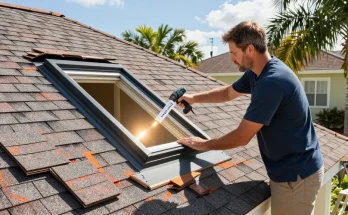

Understanding Spray Foam Removal UK
What is Spray Foam?
Spray foam is a popular insulating material that is applied as a liquid and expands into a foam, providing an effective barrier against air, moisture, and thermal leakage. It is commonly used in both residential and commercial buildings for energy efficiency and attic insulation. The two primary types of spray foam are open-cell and closed-cell, each with unique properties and applications. Open-cell foam is softer and more flexible, making it ideal for soundproofing and interior insulation, while closed-cell foam is denser, offering superior moisture resistance and structural integrity.
Common Reasons for Removal
While spray foam serves its purpose well, several scenarios can necessitate removal. Common reasons include damage from water leaks, mold growth, or the need to upgrade insulation. Environmental factors, such as settling or structural alterations, can also lead to adhesion issues, prompting home and business owners to opt for removal. In less frequent cases, changes in energy efficiency standards may require the removal of outdated spray foam materials.
Types of Spray Foam
Spray foam falls into two main categories: open-cell and closed-cell foams. Open-cell foam features a lower density and is generally less expensive. It allows for increased airflow, making it ideal for sound absorption but not for moisture resistance. In contrast, closed-cell foam is denser, leading to better thermal insulation and moisture protection. When considering spray foam removal UK, it’s crucial to recognize the type of foam installed, as each presents different challenges during the removal process.
Methods for Spray Foam Removal UK
Mechanical Techniques
Mechanical removal techniques involve physically scraping or cutting the foam away from surfaces. This method can include the use of specialized tools like oscillating saws or grinders. While effective, mechanical techniques require considerable caution to minimize damage to the substrate and surrounding structures. Given the density of closed-cell foam, mechanical techniques may take more time and require skilled professionals to ensure effective results.
Chemical Solutions
Chemical removal solutions can soften the foam, making it easier to scrape away. Products designed specifically for spray foam can penetrate the material and weaken its bond with surfaces. It is important to select eco-friendly chemicals to reduce environmental impact. However, testing these solutions on a small area prior to full application is wise to avoid unintended damage.
Safety Protocols During Removal
Safety is paramount in spray foam removal. Workers should wear appropriate personal protective equipment (PPE), including respiratory masks, goggles, gloves, and protective clothing. Ventilation of the workspace is essential, especially when using chemical solutions, to mitigate exposure to hazardous fumes. Adhering to safety protocols not only protects the individual but also ensures compliance with local regulations regarding hazardous materials.
Challenges in Spray Foam Removal UK
Identifying Adhesion Issues
One significant challenge in spray foam removal is identifying adhesion issues. Properly applied foam adheres well to surfaces, but in some cases, poor installation leads to adhesion problems that complicate removal. Inspecting for air gaps, peeling, or separation can help in determining the best removal method, whether it be mechanical or chemical.
Preventing Property Damage
Removing spray foam without damaging the underlying structure is often challenging. Care must be taken to avoid gouging walls or damaging insulation materials beneath the foam. Using the correct tools and expert techniques can help mitigate these risks. Homeowners should be aware that improper removal can lead to costly repairs down the line, especially if structural components are compromised.
Time and Cost Considerations
The duration and cost of spray foam removal vary widely depending on factors such as the type and amount of foam, the methods employed, and the property’s location. Generally, mechanical removal can be more time-consuming but is often less expensive than chemical solution methods. Budgeting for additional repairs and restoration after removal is also critical, as the underlying surfaces may require attention post-extraction.
Best Practices for Spray Foam Removal UK
Preparation Steps
Before commencing removal, thorough preparation is crucial. This includes assessing the work environment for safety hazards, gathering all necessary removal tools, and ensuring appropriate ventilation. Covering interior furnishings and flooring helps protect them from damage and debris during the process. Additionally, consulting with professionals can yield insights specific to individual projects and ensure adherence to the best practices.
Post-Removal Treatments
Once spray foam is removed, it’s essential to treat the exposed surfaces correctly. This may involve sealing, painting, or applying new insulation materials. Additionally, a thorough inspection for mold and structural damage ensures that the property remains safe and usable. Post-removal treatments not only improve appearance but also prepare the environment for any subsequent insulation installation.
Consulting Professionals
For optimum results, consulting professionals experienced in spray foam insulation removal is advised. They possess the knowledge, equipment, and techniques necessary to perform the task efficiently and without causing further harm. Professional assistance reduces the risk of improper removal and the potential costs that may arise from subsequent repairs.
Frequently Asked Questions About Spray Foam Removal UK
What is the average cost of spray foam removal?
The average cost can vary significantly based on factors like the size of the area and the method used. Generally, expect costs to range from £30 to £50 per square meter.
How long does the removal process take?
Depending on the size of the project and the removal method, the process can take anywhere from a few hours to several days.
Can I do spray foam removal myself?
While some homeowners may attempt DIY removal, it is often recommended to consult professionals to avoid damage and safety hazards.
What safety gear should I wear?
Essential safety gear includes gloves, goggles, a respirator mask, and protective clothing to safeguard against dust and chemical exposure.
What happens if spray foam is not removed properly?
If not removed correctly, residual foam can lead to ongoing insulation problems, structural damage, and mold growth, necessitating costly repairs.