
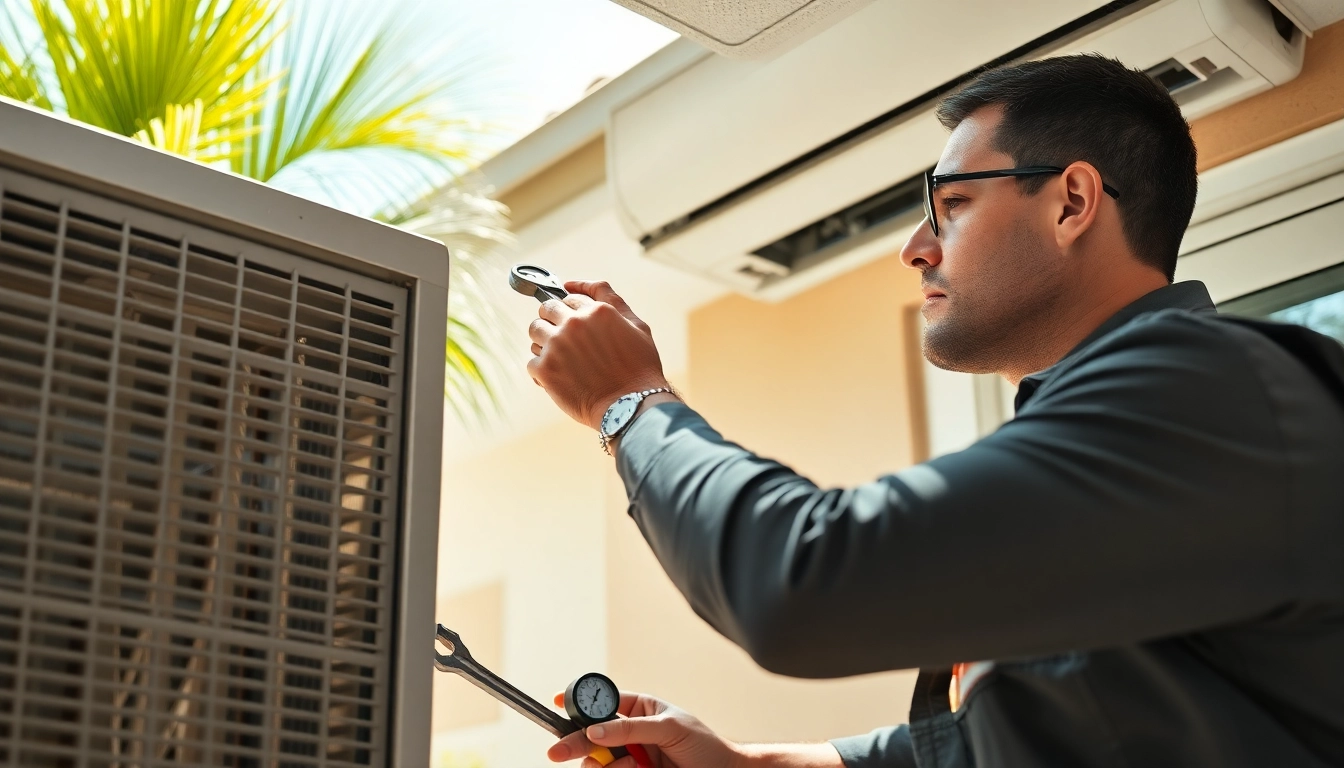
Understanding Air Conditioning Systems
Types of Air Conditioning Systems
Understanding the various types of air conditioning systems is crucial for any homeowner looking to maintain a comfortable living environment. The most common types include central air conditioning, window units, and ductless mini-splits. Central air conditioning systems are ideal for larger spaces and distribute cool air through ductwork, ensuring an even temperature throughout. Window units are portable and easy to install, making them suitable for smaller rooms. Ductless mini-splits offer the flexibility of targeted cooling without the need for ductwork, providing an efficient solution for specific areas of a home.
Key Components of Air Conditioners
To appreciate how air conditioning works, it’s essential to understand its key components. The compressor, located outside the home, compresses refrigerant gas into a high-pressure state, allowing heat to be expelled from the home. The condenser coil, also part of the outdoor unit, releases this heat while the evaporator coil, located inside, absorbs heat from the indoor air. Other components include the expansion valve, which regulates refrigerant flow, and the air handler, which circulates air throughout the home. Understanding these components can help homeowners identify potential issues during Air Conditioning Repair Tampa.
How Air Conditioning Works
The basic principle of cooling involves the transfer of heat from indoors to outdoors. When the thermostat detects that the room temperature is above the set point, it signals the compressor to start. The refrigerant absorbs heat inside the home and releases it outside via the compressor and condenser coil. This cycle continues until the desired indoor temperature is achieved. Proper understanding of this process is essential, as it may help homeowners monitor the system’s performance and efficiency.
Signs You Need Air Conditioning Repair Tampa
Common Symptoms of AC Problems
Several tell-tale signs indicate your air conditioning system may require repair. If the system fails to cool your home effectively, or if you notice unusual noises such as grinding or hissing, it may be time to call a professional. Other symptoms include inconsistency in heating and cooling throughout your home, high energy bills, or unpleasant odors emanating from the unit. Recognizing these signs early can greatly prolong the lifespan of your air conditioner and maintain comfort in your home.
How to Identify AC Issues Early
Identifying AC issues early can be critical for timely maintenance and repair. Regular inspections, visual examinations for dirt and clutter around the unit, and monitoring unusual behavior can help detect problems before they escalate. Homeowners should also pay attention to energy bill spikes or fluctuating indoor temperatures, as these may indicate underlying issues. Ensuring that your system is checked at least once a year by a professional can further help in catching problems early.
The Importance of Regular Maintenance
Regular maintenance plays a pivotal role in the longevity and efficiency of air conditioning systems. Scheduling professional inspections can help identify wear and tear before they lead to costly repairs. Routine maintenance tasks may include changing filters, cleaning coils, and checking refrigerant levels. These practices not only ensure optimal system performance but also enhance energy efficiency, potentially lowering operating costs and extending the life of the unit.
Choosing the Right Air Conditioning Repair Service
Factors to Consider in Your Selection
When searching for the right air conditioning repair service, several factors should guide your decision-making. Credentials matter; ensure the service is licensed and insured. The experience of technicians and their familiarity with your specific AC model can also influence repair quality. Look for companies with a strong reputation in your community and those that offer transparent pricing and guaranteed work.
Questions to Ask Your HVAC Technician
Before hiring an HVAC technician, it’s beneficial to ask pertinent questions. Inquire about their experience with similar systems, what diagnostic tools they will use, and the estimated timeline for repairs. Additionally, ask about warranty options and if parts used will be new or refurbished. A reputable technician will not hesitate to answer these questions clearly, establishing trust in their expertise.
Evaluating Service Reviews and Ratings
Checking service reviews and ratings can be instrumental in finding a quality repair service. Online platforms and local directories often showcase customer experiences that can provide insight into a company’s reliability and professionalism. Pay attention to repetitive compliments or complaints, as these can indicate consistent service quality. A company with a solid presence in the community backed by positive reviews is often a safe choice.
Cost of Air Conditioning Repair Tampa
Factors Influencing Repair Costs
Understanding the factors influencing repair costs can help homeowners budget accordingly. Common elements include the type of AC unit, the extent of the damage, parts replacement, and the labor required. Additionally, geographic location may play a role in pricing, with urban areas often having higher service fees. Being aware of these factors helps establish realistic expectations when seeking repair services.
Comparing DIY vs. Professional Repair
While DIY repair may seem cost-effective, it often comes with hidden risks. Many homeowners may attempt minor repairs, such as replacing filters or checking power supplies. However, complex issues may necessitate professional expertise, as improper handling can lead to further damage or injury. Professional repair services generally provide warranties and guarantees that can save money in the long run by ensuring the job is done right.
How to Get Accurate Estimates
To receive accurate estimates for air conditioning repairs, it’s advisable to obtain quotes from multiple service providers. Be specific about the symptoms you’re experiencing; this will help technicians provide a more accurate estimate. Reputable services often provide free estimates, which can give homeowners a clearer picture of potential costs before moving forward with repairs. This approach ensures transparency and aids decision-making.
Preventative Measures for Air Conditioning Systems
Routine Maintenance Tips
Implementing preventative measures can greatly enhance the efficiency and lifespan of your air conditioning system. Change filters regularly—typically every 1-3 months—depending on usage and type. Keep the outdoor unit clean and clear of debris. Regular checks of ductwork for leaks can also prevent energy loss and inefficiency. A well-maintained system tends to perform better and requires fewer repairs over time.
Energy Efficiency Best Practices
Homeowners can adopt various energy efficiency practices to reduce costs and improve comfort. Programmable thermostats enable better temperature regulation, automatically adjusting when you’re home or away. Additionally, sealing windows and doors helps prevent cool air from escaping. Regularly cleaning the condenser coils and ensuring adequate insulation can further optimize energy use. Collectively, these practices can significantly lower energy bills.
Utilizing Smart Home Technology
Smart home technology offers innovative solutions for managing air conditioning systems. Smart thermostats provide enhanced control and remote access through mobile devices. Advanced sensors can monitor and adjust temperatures based on occupancy, leading to significant energy savings. By leveraging these technologies, homeowners can not only enhance comfort but also increase system efficiency and reduce the need for frequent repairs.
Frequently Asked Questions
What is the typical lifespan of an air conditioning unit?
The average lifespan of an air conditioning unit ranges from 10 to 15 years, depending on usage, maintenance, and the quality of installation.
When should I schedule AC maintenance?
It’s best to schedule AC maintenance at least once a year, ideally before the cooling season, to ensure optimal performance and efficiency.
How can I improve my AC’s efficiency?
You can improve efficiency by regularly changing filters, ensuring the outdoor unit is clean, and sealing any leaks in ductwork.
Is DIY AC repair safe?
While minor tasks are safe for DIY, complex repairs should be left to professionals to avoid injury or further damage to the system.
What are signs my AC needs replacement?
Signs include rising energy bills, frequent breakdowns, poor airflow, and if the system is over 10-15 years old.