Understanding the Role of Mirror and LED Lights
What are Mirror and LED Lights?
Mirrors have always been a staple in home décor, serving both functional and aesthetic purposes. However, when combined with LED lights, their impact enhances significantly. mirror and led lights synergize to elevate the ambiance and usability of any space. A mirror aims to reflect an image, while LED lights, known for their efficiency and versatility, provide soft illumination, making them ideal for enhancing the functionality of mirrors.
Benefits of Using Mirror and LED Lights
The incorporation of LED lighting within mirrors offers a multitude of benefits. Firstly, it creates a modern aesthetic, suitable for contemporary interiors. Secondly, LED lights are energy-efficient, consuming significantly less power than traditional incandescent bulbs, which leads to lower electricity bills. Thirdly, the soft, diffused lights minimize harsh reflections and shadows, making them perfect for grooming tasks such as shaving or applying makeup. Additionally, the accompanying warmth or coolness of LED lighting can be adjusted to enhance mood and visibility, further increasing the usability of mirrors.
Common Applications in Home Design
In home design, mirrors integrated with LED lights are predominantly used in bathrooms, bedrooms, and hallways. In bathrooms, these mirrors provide the necessary illumination for grooming and beauty routines. In bedrooms, they can create an illusion of space and depth, adding to the room’s overall aesthetic. Hallway applications include creating welcoming spaces that enable homeowners to showcase their personal style. Commercial settings like salons and spas also harness the power of mirror and led lights to enhance the experiences of their customers.
Choosing the Right Mirror and LED Lights
Factors to Consider When Selecting
Selecting the perfect mirror and LED lights requires a blend of personal preference and understanding of functional needs. Firstly, consider the size of the space where the mirror will be installed—oversized mirrors lend a dramatic touch to large areas, while smaller mirrors can work best in intimate settings. Secondly, assess the lighting requirements; for instance, a bright light may be needed in areas requiring precise tasks, while softer lighting may be more suitable for relaxation areas. Lastly, think about the style—whether minimalist, vintage, industrial, or modern—to ensure that the mirror complements the existing decor.
Popular Styles and Designs
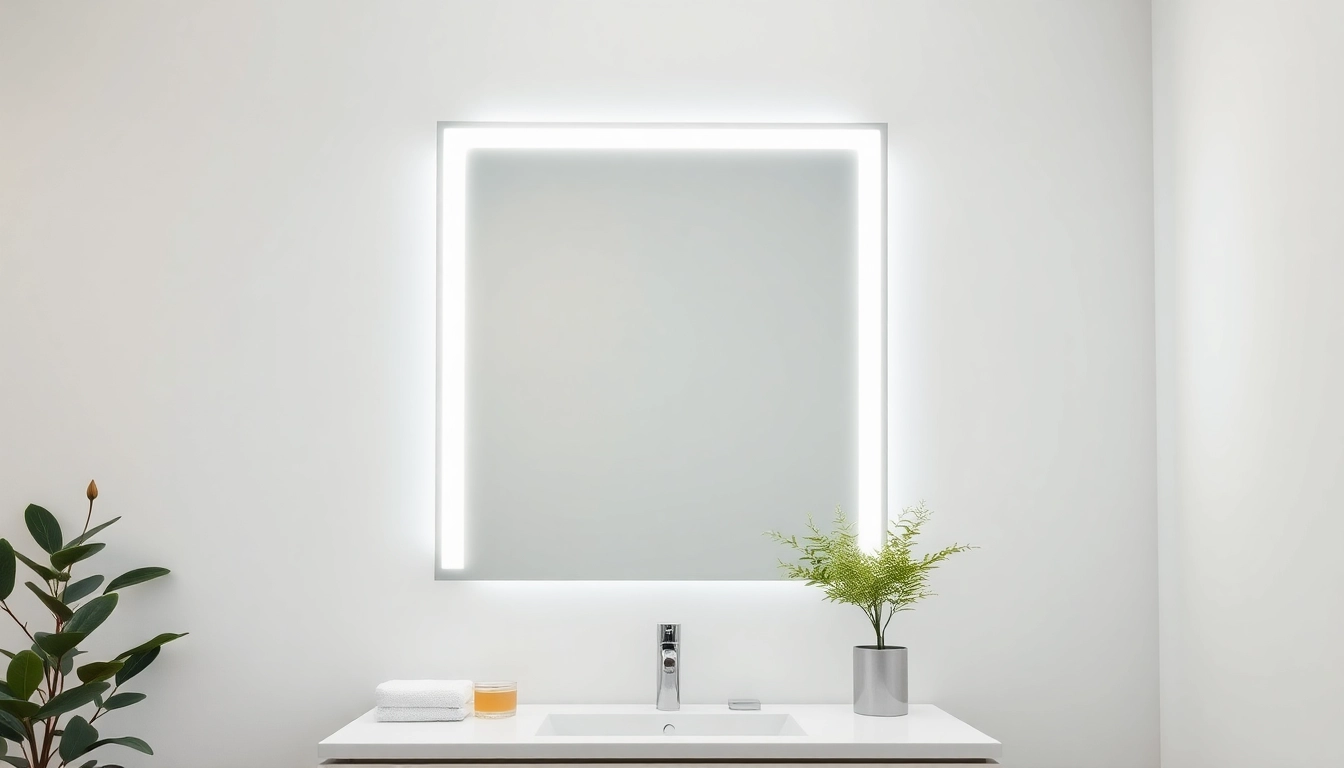
The array of styles available for mirrors integrated with LED lights is vast. Popular designs include frameless mirrors with built-in lights, offering a sleek, unobtrusive option. Backlit mirrors are also gaining popularity, as they provide an ambient glow that can transform a bathroom or dressing area. Other styles might involve decorative frames that incorporate LED accents, providing a blend of classic design and modern functionality. Ultimately, the choice of design will depend on individual preferences and the overall aesthetic of your home.
Measuring Your Space Effectively
Correct measurements are crucial for selecting the appropriate mirror and LED lights. Start by measuring the wall space where the mirror will be installed. Consider both the height and width, ensuring that it aligns proportionately with surrounding furniture or fixtures. Additionally, account for the depth of the mirror, particularly if it is a medicine cabinet or has an integrated shelf. It is recommended to visualize the positioning before committing to a purchase to avoid any mismatched proportions.
Installation Tips for Mirror and LED Lights
Pre-Installation Checklist
Before commencing installation, a well-defined checklist can streamline the process. First, gather all necessary tools and materials, including brackets, screws, wall anchors, and electrical supplies if required. Ensure the wall surface is sturdy and prepared for mounting. Secondly, verify that the electrical circuit where the lights will connect is functioning properly. Lastly, confirm the height of installation to accommodate users and ensure accessibility.
Best Practices for Mounting
Mounting mirrors with LED lights requires precision. For heavy mirrors, locating wall studs and securing them with bolts will ensure stability. For lightweight options, use appropriate wall anchors. It’s crucial to level the mirror during installation to prevent an uneven appearance. Utilizing a second pair of hands can be beneficial, as it allows for real-time adjustments during installation.
Achieving Optimal Lighting Effects
To achieve the ideal lighting effects with mirror and LED lights, consider the brightness and temperature of the LEDs. Soft white lights (around 2700K-3000K) are ideal for warm and relaxed environments, while cooler lights (4000K-5000K) provide clarity for tasks like grooming. Additionally, strategically positioning the LED lights can minimize shadows and maximize brightness, especially in areas focused around the mirror.
Maintenance of Mirror and LED Lights
Cleaning Techniques for Longevity
To maintain the quality and longevity of mirrors and LED lights, regularly cleaning both components is necessary. For mirrors, use a soft cloth with a gentle glass cleaner to wipe down surfaces. Avoid abrasive materials that could scratch the mirror. For LED lights, ensure that the fixtures are dusted frequently to prevent buildup that can diminish brightness. Routine checks for any electrical issues can also ensure longevity.
Common Issues and Troubleshooting
While mirrors with LED lights are generally reliable, issues like flickering lights or dimming may arise. Flickering can often be attributed to loose wiring or insufficient power supply. Checking connections and ensuring compatibility with the dimmer switches can help resolve this issue. In situations where the light is dimming, it might indicate that the LED components are reaching the end of their lifespan, necessitating an inspection and possible replacement.
When to Replace LED Components
LED lights typically last longer than traditional bulbs, but they aren’t immune to wear. Monitor the brightness and performance of your LED lights—if you notice a significant drop in light output or color inconsistency, it may be time to replace the components. Regularly check the manufacturer’s recommendations for lifespan and replacement timelines to ensure you maintain optimal performance.
Trends in Mirror and LED Lights
Current Design Trends
Today’s trends in mirror and LED lighting focus on integrating technology with functionality. Smart mirrors equipped with touch controls and voice-activated lighting are trending as homeowners seek ease and efficiency. Additionally, customizable LED colors are gaining traction, allowing users to select lighting based on mood or time of day, fostering a versatile environment that adapts to personal choices.
Innovations in LED Technology
The realm of LED technology is ever-evolving, introducing innovations like energy-harvesting surfaces and LED patterns that can shift according to user preferences. With advancements in connected technology, users can now control mirror lighting through mobile applications or smart home systems, making adjustments simpler than ever. These innovations enhance user interaction and ultimately improve the experience of using mirrors.
Future Outlook on Mirror and LED Lighting
As technology continues to integrate into everyday life, the future of mirror and LED lighting appears promising. Enhanced customization will become increasingly popular, with users demanding as much control over their lighting systems as possible. In addition, energy efficiency will remain at the forefront, leading to the development of even more sustainable and cost-effective lighting solutions.
Frequently Asked Questions
1. What are the advantages of LED mirrors?
LED mirrors provide energy-efficient lighting, reduced heat output, and a modern look, making them ideal for grooming and enhancing space.
2. Can I install an LED mirror myself?
Yes, if you have basic tools and follow safety guidelines, you can install an LED mirror. Always consult the installation guide for specific requirements.
3. How do I clean my LED mirror safely?
Use a soft cloth with a gentle glass cleaner. Avoid abrasive materials to protect the mirror’s surface and LED components.
4. Are LED mirrors energy-efficient?
Yes, LED mirrors are designed to consume less power compared to traditional lighting options, resulting in lower energy bills.
5. How long do LED lights typically last?
LED lights typically have a lifespan of 15,000 to 25,000 hours, depending on usage and quality, making them long-lasting compared to other types.