
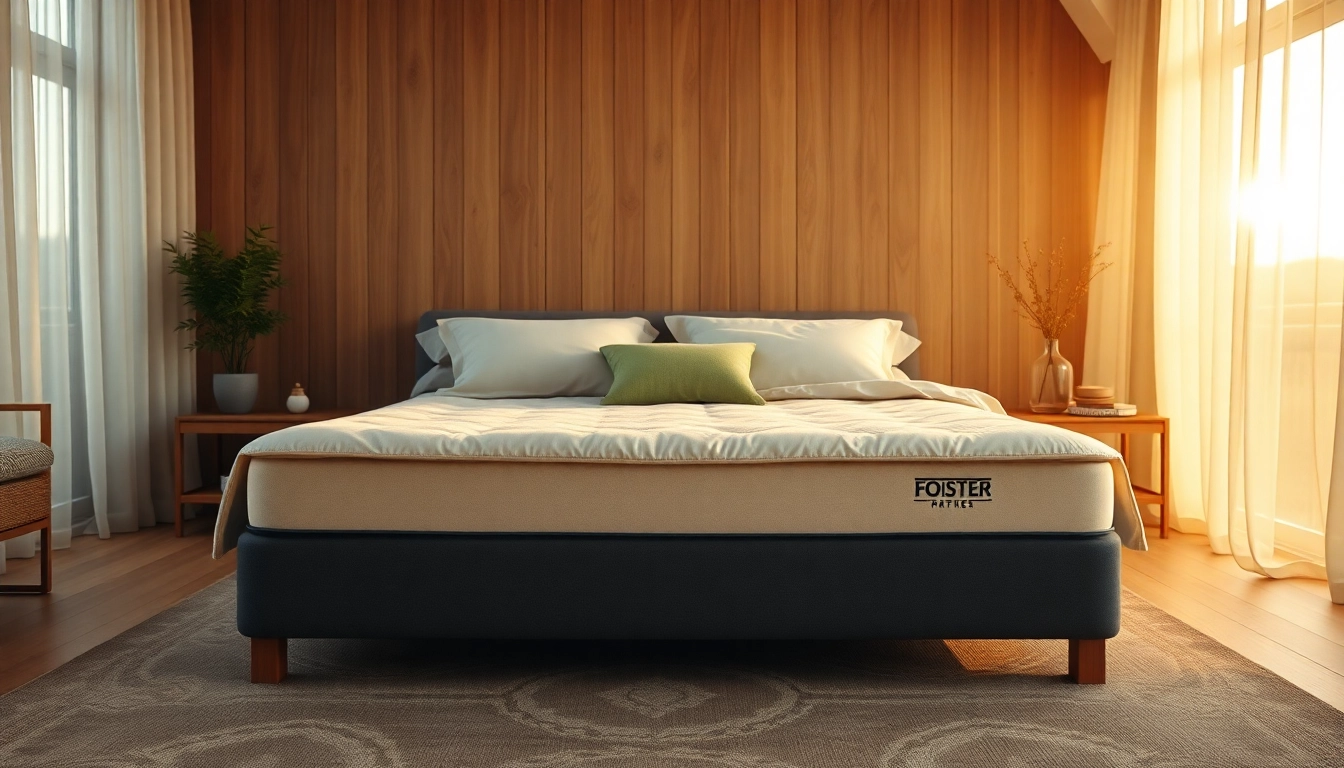
Understanding the Importance of a Good Mattress
A good night’s sleep is essential for physical and mental well-being, and the cornerstone of that sleep quality is the mattress on which we rest. Choosing the right mattress can mean the difference between waking up refreshed and groggy. Among the various options available on the market today, the foster mattress stands out as a compelling choice for many individuals seeking to improve their sleep experience.
Benefits of a Foster Mattress
The benefits of a foster mattress are varied, from enhanced comfort to tailored support. A major characteristic of a foster mattress is its ability to offer proper spinal alignment and reduce pressure points, which is crucial for those susceptible to back pain or joint discomfort. Additionally, these mattresses are designed with high-quality materials that often provide durability and longevity, ensuring your investment pays off for years to come. Notably, many foster mattresses come with adaptable features that cater to different sleeping positions, accommodating both side and back sleepers effectively.
Impact on Sleep Quality
Sleep quality is profoundly impacted by the type and condition of a mattress. The unique design of a foster mattress contributes to a deeper, more restorative sleep cycle by minimizing disturbances caused by partner movement and offering sufficient support. Studies indicate that individuals who invest in a quality mattress often report a significant improvement in their overall sleep quality, leading to enhanced mood, productivity, and physical health.
Common Myths Debunked
There are several myths surrounding mattresses that deserve clarification. One common misconception is that a firmer mattress is always better; in reality, firmness should be tailored to individual preferences and needs. Furthermore, another myth is that the most expensive mattress is always the best, which is not necessarily true. Factors such as material quality, brand reputation, and personal comfort play a crucial role. Misunderstandings like these can lead to poor mattress choices if not addressed properly.
Types of Foster Mattresses
Foster mattresses come in a variety of types, each designed to cater to different sleep preferences and needs. Understanding these types can help you make an informed decision.
Innerspring vs. Memory Foam
Foster mattresses typically fall into two primary categories: innerspring and memory foam. Innerspring mattresses use a system of coils to provide support and are often regarded for their breathability and bounce. Conversely, memory foam mattresses offer a unique contouring effect that cradles the body, reducing motion transfer and pressure points. Selecting between these options depends on your sleep style, body type, and comfort preference.
Hybrid Options Explained
Hybrid mattresses combine the benefits of innerspring and memory foam technologies, offering both support and comfort. This type often features a core of pocketed coils surrounded by layers of foam, delivering a balanced feel that caters to various sleepers. By integrating both technologies, hybrid options provide superior temperature regulation and motion isolation, making them an appealing choice for couples.
Choosing Material Preferences
When choosing a foster mattress, consider the materials used in its construction. Natural fibers like latex offer breathability and hypoallergenic qualities, while synthetic foams may provide more affordability. Additionally, understanding certifications like CertiPUR-US for foam quality can guide your choice. The right material will depend on personal preferences regarding comfort, temperature control, and eco-friendliness.
Finding the Perfect Foster Mattress for Your Needs
Finding the ideal foster mattress goes beyond just choosing a type; it requires careful consideration of individual needs and preferences.
Evaluating Firmness Levels
Mattress firmness is subjective; however, it significantly affects sleep quality. Foster mattresses typically offer a range of firmness levels—from soft to extra firm. Side sleepers often benefit from a softer mattress, which helps with shoulder and hip alignment, while back and stomach sleepers may require more support. Testing different firmness options is crucial in finding what feels best for your body.
Size Matters: Twin, Full, Queen, King
Choosing the right size of foster mattress depends on your space, sleeping habits, and whether you share a bed. Twin mattresses are usually suited for children or individuals in smaller rooms, while full mattresses can accommodate single sleepers who need extra space. Queen mattresses are ideal for couples, while king mattresses offer maximum space for those who prefer room to spread out. Consider your living space and sleeping arrangements when making a selection.
Budgeting for Your Mattress Investment
Investing in a quality foster mattress is essential, but it’s equally important to budget wisely. While you may find cheaper alternatives, a mattress is an investment in your health. Determine your budget beforehand and remember to consider the long-term benefits of a high-quality mattress. Additionally, look out for sales, discounts, and trial periods that allow you to test the mattress before committing.
Care and Maintenance of Your Foster Mattress
Taking proper care of your foster mattress can extend its lifespan and maintain comfort levels.
Cleaning Tips and Tricks
Regular cleaning helps prevent dust mites and allergens from accumulating. Vacuum the mattress surface regularly, and use a damp cloth with mild soap for spot cleaning. Encase your mattress in a protective cover that can be washed, as this protects it from spills and stains, thereby enhancing longevity.
Protecting Against Stains and Allergens
To protect your foster mattress, consider investing in a mattress protector that is waterproof and hypoallergenic. This barrier will not only shield against staining but also provide a layer of protection against allergens, ensuring you’re not affected by particles that can disrupt your sleep.
When to Replace Your Mattress
Most mattresses should be replaced every 7-10 years, though this can vary depending on wear and tear. Signs that it’s time for a new mattress include visible sagging, increased discomfort during the night, and persistent allergies or respiratory issues. Trust your body; if you’re experiencing poor sleep quality, it may be time to consider a new foster mattress.
Frequently Asked Questions About Foster Mattresses
How often should I replace my foster mattress?
Experts recommend replacing your foster mattress every 7-10 years to ensure optimal support and comfort.
What size foster mattress is best for my bedroom?
Your bedroom size and sleeping habits dictate the best mattress size; a queen or king works well for couples, while a twin suits singles.
Can a foster mattress help with back pain?
A foster mattress can help alleviate back pain by providing proper support and spinal alignment, particularly if it suits your sleep style.
Are foster mattresses hypoallergenic?
Many foster mattresses feature hypoallergenic materials that resist dust mites, mold, and allergens, making them suitable for sensitive individuals.
What warranty should I expect for a foster mattress?
Look for a warranty that covers 10-20 years, including defects in materials and workmanship, to ensure your investment is protected.