Understanding Lower Back Pain
Lower back pain is a common affliction that affects a significant portion of the population at some point in their lives. Whether it is mild discomfort or debilitating pain, understanding this condition is vital for effective lower back pain treatment. This section delves into the common causes, symptoms, and the crucial signs to intervene with professional help.
Common Causes of Lower Back Pain
The origins of lower back pain can be diverse, stemming from various factors. Some of the most prevalent causes include:
- Muscle or Ligament Strain: Heavy lifting or an awkward movement can lead to muscle strains, causing pain.
- Disc Problems: Herniated or bulging discs can press on nerves, generating pain and discomfort.
- Arthritis: Conditions like osteoarthritis can lead to lower back pain through joint inflammation.
- Skeletal Irregularities: Conditions such as scoliosis can cause abnormal curvature, leading to unbalanced stress on the back.
- Infections or Tumors: Less common but critical causes, infections of the spine or tumors can manifest as back pain.
Symptoms to Watch For
Recognizing symptoms early aids in pursuing effective treatments. Common symptoms associated with lower back pain include:
- Aching or stiffness in the lower back
- Pain that may radiate down the legs
- Difficulty standing up straight or bending
- Muscle spasms
- Persistent pain lasting more than a few weeks
When to Seek Professional Help
It's essential to consult a healthcare professional if lower back pain persists beyond a few days, worsens over time, or is accompanied by other concerning symptoms such as:
- Unexplained weight loss
- Loss of bowel or bladder control
- Severe, unrelenting pain
- Pain following a fall or injury
Early intervention is paramount to preventing chronic pain and associated complications.
Comprehensive Lower Back Pain Treatment Options
When it comes to treating lower back pain, a multifaceted approach is often effective. This section outlines various treatment options, ranging from non-invasive techniques to medical interventions.
Non-Invasive Techniques
For many individuals, non-invasive techniques can provide substantial relief. These can include:
- Heat and Cold Therapy: Applying heat to loosen muscles or cold to reduce inflammation is a common initial treatment.
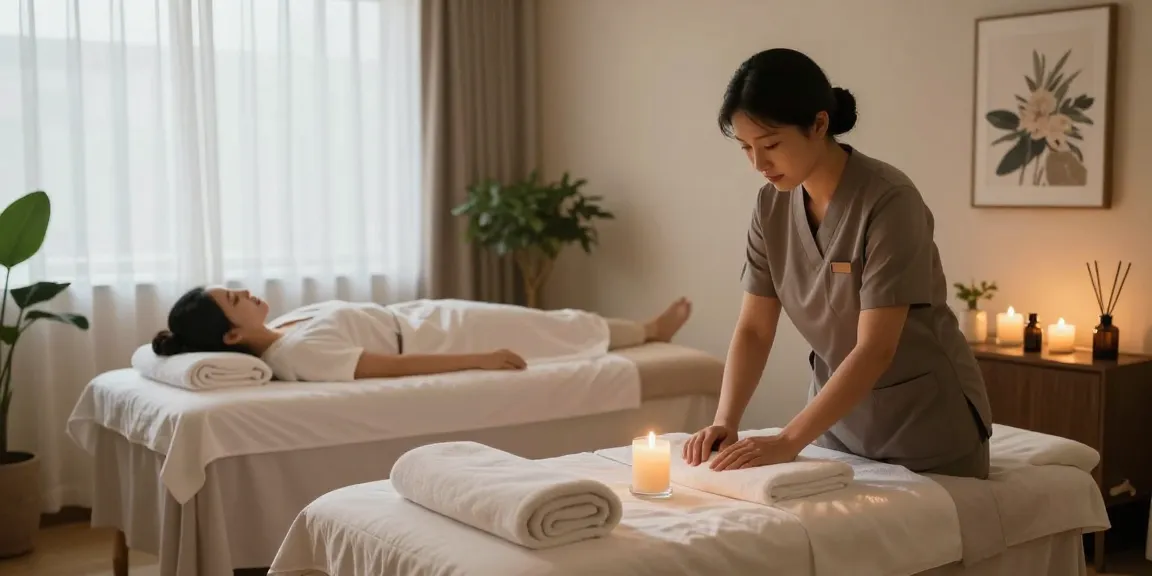
- Massage Therapy: Regular massage can relieve tension and promote relaxation in the back muscles.
- Acupressure: Stimulating specific points can enhance circulation and alleviate pain.
Physical Therapy Benefits
Physical therapy (PT) is a critical component in lower back pain treatment. It focuses on:
- Exercise Programs: Tailored exercises help strengthen back and core muscles, improving stability.
- Manual Techniques: PT can employ various manual therapies to alleviate muscle tightness and improve function.
- Education: Training on correct body mechanics reduces the risk of recurrence.
The benefits of physical therapy are substantial, often leading to long-term pain relief and enhanced mobility.
Medication Overview
When other treatments fall short, medications may be necessary. Common categories include:
- Over-the-Counter Pain Relievers: Medications like ibuprofen or acetaminophen can manage pain effectively.
- Prescription Medications: In some cases, stronger pain relievers or muscle relaxants are prescribed.
- Corticosteroid Injections: For severe cases, injections can provide substantial relief by reducing inflammation.
Working closely with a healthcare provider is imperative to optimize pain management through medications.
Home Remedies for Lower Back Pain Treatment
In addition to professional treatment options, various home remedies can be effective in managing lower back pain. This section discusses practical approaches individuals can employ.
Effective Stretches and Exercises
Incorporating specific stretches and exercises can significantly ease lower back pain:
- Cat-Cow Stretch: Improves flexibility in the spine.
- Child’s Pose: Helps in stretching the back and relieving tension.
- Pelvic Tilts: Strengthen abdominal muscles, supporting the lumbar region.
- Knees-to-Chest Stretch: Relaxes the lower back and enhances mobility.
Best Practices for Pain Management
Engaging in healthy habits not only relieves pain but also contributes to overall wellness. Recommended practices include:
- Maintaining a healthy weight to reduce strain on the lower back
- Incorporating regular physical activity into your routine
- Prioritizing quality sleep and a supportive mattress
- Utilizing correct lifting techniques and body mechanics
Nutritional Considerations for Recovery
A balanced diet plays a supportive role in recovery from lower back pain. Consider these nutritional tips:
- Incorporate anti-inflammatory foods, such as fish, nuts, and leafy greens.
- Stay hydrated to maintain muscle and joint health.
- Limit processed foods and excessive sugars that may contribute to inflammation.
Alternative Therapies in Lower Back Pain Treatment
Alongside conventional treatments, a variety of alternative therapies can aid in relieving lower back pain. Here’s a closer look at these options:
Acupuncture and its Effectiveness
Acupuncture involves inserting thin needles into specific points of the body, aiming to balance energy flow. Research indicates that acupuncture can reduce lower back pain and improve mobility, especially when integrated with conventional treatments.
Chiropractic Adjustments Explained
Chiropractors utilize hands-on spinal manipulation to ensure proper alignment of the body. This therapeutic approach can alleviate discomfort by addressing misalignments in the spine, improving function and reducing pain levels.
Massage Therapy for Pain Relief
Massage therapy can help restore mobility and decrease pain. Various techniques, including deep tissue and Swedish massage, target specific muscle groups and enhance overall well-being. Regular sessions can result in cumulative benefits for chronic pain sufferers.
Long-Term Strategies for Preventing Lower Back Pain
Incorporating long-term strategies helps individuals manage their lower back pain effectively and prevent future occurrences. Understanding how to live a healthier lifestyle is critical for sustained relief.
Strengthening Core Muscles
Building strong core muscles plays a vital role in supporting the spine. Engaging in exercises that target the abdominal, hip, and back muscles can enhance stability and minimize the risk of injury.
Posture and Ergonomics at Work
Good posture is essential in preventing lower back pain. Individuals should focus on maintaining an ergonomic workspace, with attention to chair height, computer screen position, and regular movement breaks throughout the day.
Lifestyle Modifications for Healthier Living
Adopting healthier lifestyle choices can greatly contribute to lower back pain prevention. Suggestions include:
- Regularly engaging in physical activity or exercise
- Avoiding prolonged periods of sitting or standing
- Practicing stress management techniques
By fostering an overall healthier lifestyle, individuals can significantly diminish the frequency and severity of lower back pain episodes.
Frequently Asked Questions (FAQs)
What are the most common causes of lower back pain?
Common causes include muscle strain, herniated discs, arthritis, and injuries related to heavy lifting or awkward movements.
When should I seek medical attention for back pain?
Seek help if pain persists for more than a few days, worsens, or is accompanied by other symptoms like weight loss or loss of bowel control.
Can exercise worsen my lower back pain?
While some exercises may initially cause discomfort, strengthening exercises tailored to your condition can provide relief and improve function in the long term.
Are there any effective home remedies for lower back pain?
Yes, remedies like heat and cold therapy, stretching, and proper nutrition can significantly ease pain and support recovery at home.
Is surgery necessary for lower back pain treatment?
Surgery is generally a last resort, considered only after other treatments have failed and if there is significant impairment or structural issues.