
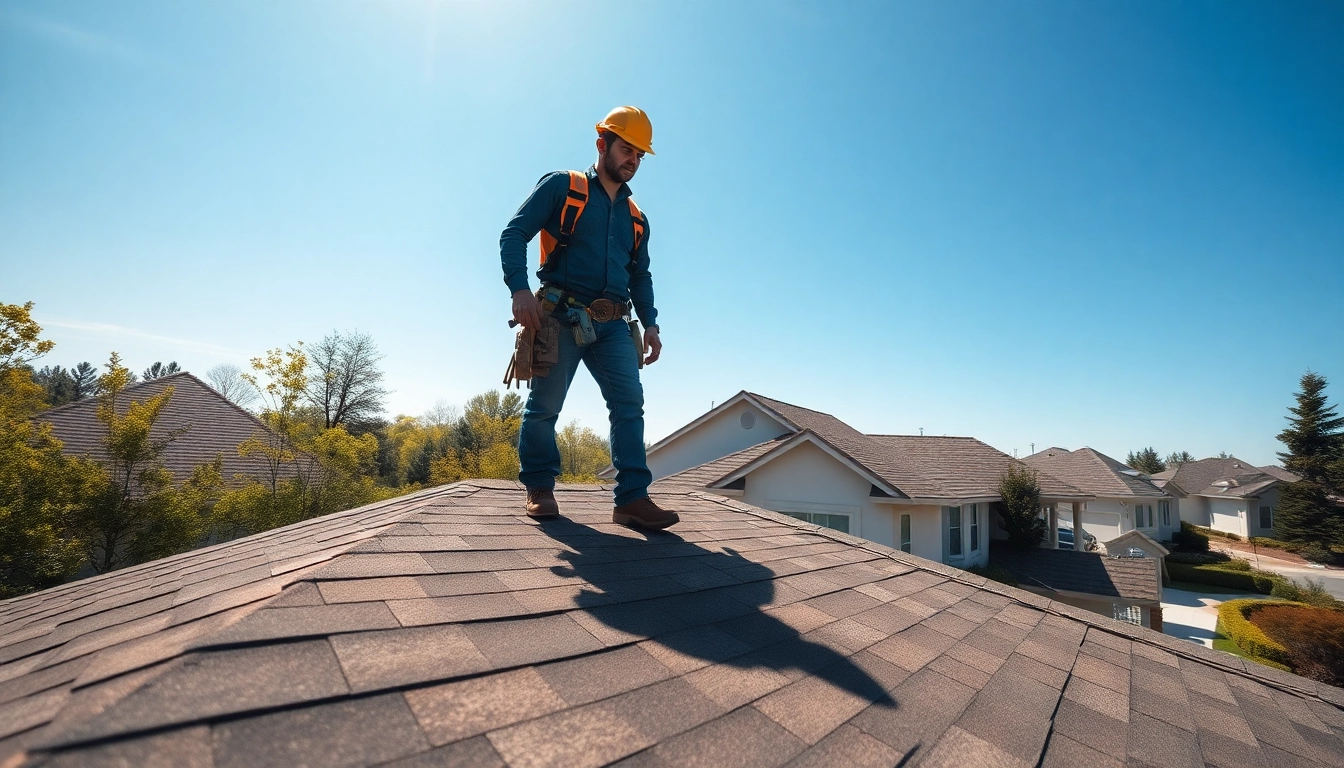
Choosing the Right Roofing Contractor
When it comes to securing one of the most critical aspects of your home or business, selecting a proficient Roofing contractor is essential. A reliable contractor can ensure that your roofing needs are met with the utmost professionalism, quality, and timeliness. In this comprehensive guide, we will explore everything from the selection process to the types of services offered, and help you understand the costs that might be involved.
What to Look for in a Roofing Contractor
Identifying a trustworthy roofing contractor is vital for the long-term durability of your roof. Here are some key factors to evaluate:
- Experience: Look for contractors that have been in business for several years. Their experience will provide insight into their capability to handle various roofing projects.
- Reputation: Examine customer reviews, ask around for referrals, and check their standing with organizations like the Better Business Bureau.
- Insurance and Licensing: A legitimate roofing contractor should possess liability insurance and have the required licensing for your state.
- References: Request references from past clients to gauge the contractor’s ability to meet deadlines and keep within budget.
- Written Estimates: Ensure that they provide comprehensive and detailed written estimates that outline the project scope, materials, and labor costs.
Common Red Flags During Selection
While searching for a roofing contractor, it’s crucial to recognize warning signs that may indicate trouble ahead:
- Unsolicited Offers: Be wary of contractors who come knocking at your door following a storm, as this may indicate unethical practices.
- Lack of Documentation: Contractors who cannot provide proof of insurance or licensing should be avoided.
- High-Pressure Sales Tactics: If a contractor is rushing you into making a decision, it’s often best to walk away.
- Vague Contracts: A lack of clarity in contracts regarding costs, timelines, or materials can lead to potential misunderstandings.
Importance of Checking Credentials
Verifying a contractor’s credentials is crucial in ensuring that you hire qualified professionals. Certain credentials may include trade certifications, manufacturer designations, and adherence to safety standards. Certifications often indicate ongoing training and superior knowledge in specific materials or techniques. Additionally, engaging with roofing associations can provide assurance regarding their adherence to local and national regulations.
Types of Roofing Services Offered
Residential Roofing Solutions
Residential roofing services encompass a wide range of solutions, including:
- New Roof Installations: Whether you’re building a new home or replacing an existing roof, selecting the appropriate materials and methods is vital.
- Roof Inspections: Regular inspections can extend the life of your roof by identifying issues before they become major problems.
- Roof Maintenance: Regular maintenance services can help ensure that your roof remains functional and aesthetically pleasing.
Commercial Roofing Options
Commercial roofing needs can differ significantly from residential ones. Some common services include:
- Flat Roof Installation: Ideal for commercial buildings, flat roofs require specialized materials and installation methods.
- Roof Coatings: These can extend the life of your existing roof, improve energy efficiency, and protect against weather elements.
- Emergency Repairs: Quick responses are crucial for commercial facilities experiencing roof leaks or damage.
Roof Repair vs. Replacement
Deciding whether to repair or replace your roof can be one of the most challenging decisions. Consider the following:
- Extent of Damage: If damage is localized, repairs may suffice. Otherwise, a full replacement might be warranted.
- Age of the Roof: An older roof nearing the end of its lifespan may benefit more from replacement rather than repair.
- Cost of Repairs: If repair costs approach the cost of a new roof, replacement may be the more economical choice.
Cost Factors for Roofing Projects
Understanding Estimate Components
Roofing estimates can be complex, incorporating various components that affect the overall cost. Essential elements include:
- Materials: The type and quality of materials significantly impact costs. Asphalt shingles are typically less expensive than metal or tile.
- Labor: Skilled labor is necessary to ensure that the roofing system is installed correctly and is safe. Rates can vary based on experience and locality.
- Project Size: Larger roofs will generally increase material and labor costs, requiring a more significant investment.
- Access and Safety: Difficult-to-access roofs may require additional equipment and safety protocols, raising the project’s overall cost.
Budgeting for Roofing Services
Creating a budget that accounts for all potential roofing costs is critical. Start by assessing your finances to determine how much you can allocate for the project. Include estimates for not just materials and labor, but also for unexpected expenses that may arise during the project. It’s wise to set aside an additional 10-20% as a contingency fund to accommodate surprises, like underlying structural damage.
Financial Assistance and Financing Options
Many homeowners may require financial assistance to afford a roofing project. Explore multiple financing options, such as:
- Home Equity Loans: Using your home as collateral can yield lower interest rates.
- Government Programs: Programs might be available for low-income households or homes requiring urgent repairs.
- Payment Plans: Some contractors may offer payment plans that allow homeowners to pay over time rather than up-front.
- Credit Cards: While not recommended for large sums due to high interest, credit cards can be an option for manageable repairs.
Roofing Materials You Should Consider
Popular Roofing Materials and Their Benefits
The choice of roofing material directly affects the durability, aesthetics, and cost of your project. Popular options include:
- Asphalt Shingles: Budget-friendly and versatile, they are popular among homeowners due to their ease of installation.
- Metal Roofing: Known for longevity and energy efficiency, metal roofs can last up to 50 years.
- Tile Roofing: Durable and stylish, tile roofs offer excellent protection in harsh climates.
- Slate Roofing: Highly aesthetic and incredibly durable, slate is often regarded as a premium choice with a long lifespan.
Eco-Friendly Roofing Choices
With environmental awareness growing, eco-friendly roofing options are more accessible. Consider options such as:
- Solar Roofs: Integrating solar panels can contribute to energy savings and sustainability.
- Green Roofs: Incorporating vegetation can improve insulation and reduce heat absorption.
- Recycled Roofing Materials: Some manufacturers now produce shingles made from recycled materials, promoting sustainability.
Longevity and Maintenance of Different Materials
Understanding the longevity and maintenance requirements of your selected roofing material is essential for budgeting and planning:
- Asphalt Shingles: Last approximately 20-30 years with regular maintenance.
- Metal Roofing: Can last 40-70 years, with low maintenance beyond occasional washing.
- Tile Roofing: With appropriate care, tile roofs can last 50 years or more.
- Slate Roofing: Offers exceptional longevity, often exceeding 100 years.
FAQs about Roofing Contractors
What Questions Should I Ask My Roofing Contractor?
Useful questions include: What is your licensing and insurance status? Can you provide a portfolio of past work? What materials do you recommend for my project?
How Long Does a Roofing Project Usually Take?
Most roofing projects take 1-2 weeks, depending on size, materials, and weather conditions affecting progress.
Can I Stay Home During the Roofing Work?
Typically, it’s safe to stay home, but loud noises and possible debris might require areas to be closed off for safety.
Are Roofing Estimates Free?
Many contractors offer free estimates; however, it’s essential to clarify if there are any hidden fees before accepting any services.
What Warranties Should I Expect?
Look for warranties on materials (often 20-50 years) as well as labor (usually 1-10 years), ensuring comprehensive coverage.