Understanding the Benefits of Brick Pavers
Brick pavers have become a popular choice for outdoor spaces due to their aesthetic appeal, durability, and versatility. As homeowners seek to enhance their outdoor living areas, the demand for brick pavers near me has surged, leading to a wide array of options available in the marketplace. In this section, we will explore what makes brick pavers an ideal material for various outdoor projects, from patios and driveways to walkways and landscaping features.
What Makes Brick Pavers Ideal for Outdoor Spaces?
Brick pavers are renowned for their ability to combine beauty with functionality. Here are several reasons why they are ideal for outdoor projects:
- Durability: Brick pavers are incredibly strong and can withstand heavy foot traffic and harsh weather conditions, making them perfect for driveways and pathways.
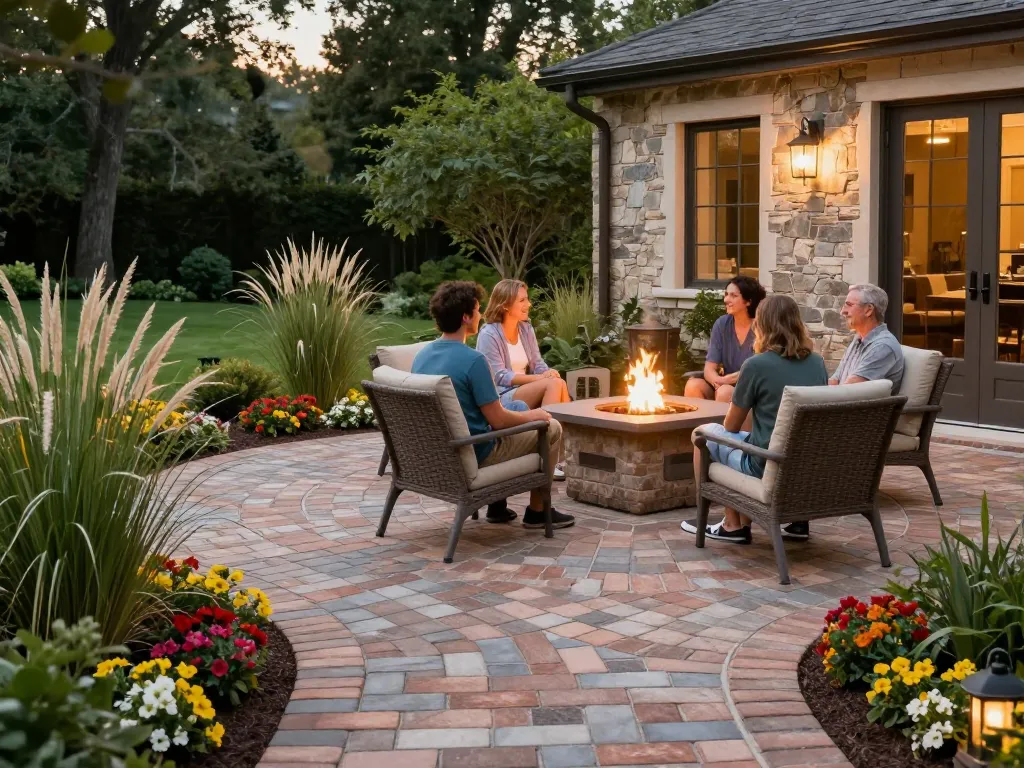
- Aesthetics: Available in various colors, textures, and patterns, brick pavers add visual interest and elegance to any outdoor area.
- Low Maintenance: Unlike other materials, brick pavers require minimal maintenance. Regular cleaning and occasional sealing can keep them looking new.
- Versatility: They can be used in different applications, including patios, walkways, pool decks, and even garden borders.
- Eco-Friendly: Being made from clay and other natural materials, brick pavers are a sustainable choice for eco-conscious homeowners.
Long-Term Value of Brick Pavers vs. Other Materials
While the initial cost of brick pavers may be higher than that of concrete or asphalt, they offer significant long-term value. The durability of brick pavers means less frequent replacement or repair costs, and their timeless aesthetic appeal can increase the value of your home. In contrast, cheaper materials may require more frequent repairs or replacement, leading to higher cumulative costs over time.
Eco-Friendly Aspects of Brick Pavers
In today’s environmentally conscious world, many homeowners are looking for sustainable building materials. Brick pavers are an excellent choice as they are made from natural clay, which is abundant and recyclable. Additionally, they allow water to permeate through their joints, reducing runoff and promoting groundwater recharge. This characteristic is especially beneficial in urban areas where stormwater management is a concern.
Choosing the Right Brick Pavers for Your Needs
Selecting the right brick paver can significantly impact the overall look and functionality of your outdoor space. In this section, we will discuss various types of brick pavers, considerations for selection, and current trends to help you make an informed decision.
Types of Brick Pavers Available in 2026
As of 2026, there are several types of brick pavers available, each designed for specific applications:
- Clay Pavers: These are traditional brick pavers made from natural clay, offering a classic look and excellent durability.
- Concrete Pavers: Available in various shapes and sizes, concrete pavers can mimic the appearance of brick but are often more affordable.
- Permeable Pavers: Designed to allow water to seep through, these pavers help manage stormwater and reduce runoff.
- Recycled Pavers: Made from recycled materials, these pavers are eco-friendly and provide a unique look.
Considerations When Selecting Brick Pavers
When choosing brick pavers, consider the following factors:
- Functionality: Determine the main use of the area—whether it’s for a driveway, patio, or walkway—to choose the right type and size of pavers.
- Color and Texture: Select colors and textures that complement your home’s architecture and landscaping.
- Budget: Consider the cost of materials and installation when setting your budget.
- Climate: Choose pavers that can withstand your local climate conditions, such as freeze-thaw cycles or intense heat.
Popular Color and Style Trends in Brick Pavers
In recent years, homeowners have been gravitating towards natural earth tones, such as shades of brown, gray, and terracotta, which complement the outdoors beautifully. Textured pavers that mimic natural stone or rustic finishes are also in vogue, providing a more organic look. Additionally, geometric patterns and mixed-material designs are gaining popularity for adding visual intrigue.
Finding Reliable Suppliers of Brick Pavers Near You
Finding the right supplier is crucial when it comes to purchasing quality brick pavers. In this section, we’ll outline how to research local suppliers, evaluate their quality, and what questions to ask to ensure you make an informed choice.
How to Research Local Brick Paver Suppliers
Start by researching local suppliers online or through community recommendations. Look for companies with a solid reputation in your area. Online reviews can provide insight into the experiences of previous customers, helping you gauge the reliability and quality of potential suppliers.
Evaluating Supplier Quality and Customer Reviews
Once you have identified potential suppliers, evaluate their quality by:
- Checking for certifications and affiliations with recognized industry standards.
- Inspecting their product ranges to ensure they offer a variety of options to meet your needs.
- Reading customer reviews on platforms like Google and Yelp to assess their service quality.
Questions to Ask Your Brick Paver Supplier
Before making a purchase, consider asking your supplier the following questions:
- What are the estimated delivery times?
- Do you offer samples or displays in a showroom?
- What warranties or guarantees do you provide?
- Can you provide references from previous clients?
Installation Tips for Brick Pavers
Proper installation is key to ensuring the longevity and durability of your brick pavers. In this section, we will cover essential tips for preparing your space, common mistakes to avoid, and maintenance advice to keep your pavers looking great.
Preparing Your Outdoor Space for Brick Paver Installation
Before installation, prepare your outdoor space by ensuring the area is level and properly graded. Remove any existing vegetation and debris, and consider laying a base of crushed stone to provide stability and drainage. This preparation can make a significant difference in the final look and functionality of your pavers.
Common Installation Mistakes to Avoid
To achieve the best results, avoid these common pitfalls during installation:
- Not compacting the base material, which can lead to settling.
- Failing to use proper jointing sand for stability.
- Ignoring drainage patterns, which can lead to water pooling.
- Not allowing for expansion joints, especially in larger areas.
Maintenance Tips to Extend the Life of Your Brick Pavers
Maintaining your brick pavers is essential for longevity. Here are some tips:
- Regularly sweep and wash your pavers to remove dirt and debris.
- Apply a sealant every few years to protect against stains and weeds.
- Address any weeds or moss growth promptly to prevent damage.
- Repair cracked pavers by replacing them as soon as possible to avoid further issues.
Future Trends in Outdoor Hardscaping with Brick Pavers
As we look forward to the coming years, several exciting trends are emerging in the world of outdoor hardscaping with brick pavers. From innovative designs to sustainability efforts, here’s what to expect.
Innovative Designs and Features in 2026
Homeowners are increasingly opting for unique patterns and designs that reflect personal style. Expect to see features such as integrated lighting within paver systems and custom designs that incorporate unique shapes and colors. The blending of hardscape and softscape elements will continue to be a trend, creating seamless transitions between outdoor living areas and gardens.
The Impact of Technology on Brick Paver Installation
Technology is revolutionizing how brick pavers are installed and designed. Advancements in 3D modeling and landscaping software enable homeowners to visualize their spaces before committing to a purchase. Additionally, automated installation methods are making the process more efficient and precise.
Sustainability Trends in Hardscaping
Sustainability is becoming a key focus in outdoor hardscaping. Manufacturers are increasingly offering eco-friendly paver options, such as those made from recycled materials or designed for water permeability. Homeowners are also looking for ways to incorporate native plants and permeable designs to promote biodiversity and reduce environmental impact.
What Are the Maintenance Needs of Brick Pavers?
Brick pavers require regular maintenance, including cleaning and sealing, to protect their appearance and integrity. The frequency of maintenance depends on the local environment and usage. In high-traffic areas, more frequent attention may be necessary to keep pavers looking pristine.
How Can DIY Enthusiasts Use Brick Pavers Effectively?
DIY enthusiasts can take advantage of brick pavers for various projects. Simple pathways, fire pits, and patio designs can all be accomplished with a bit of planning and effort. Online tutorials and community workshops can provide valuable guidance for those looking to enhance their outdoor spaces without professional help.
What Are the Costs Associated with Brick Paver Installation?
The cost of brick paver installation can vary widely based on factors such as material choice, area size, and labor costs. On average, homeowners can expect to pay between $10 to $20 per square foot, including materials and installation. Obtaining multiple quotes can help ensure you receive a fair price.
How to Ensure Quality in Brick Paver Installation?
To ensure high-quality installation, work with reputable contractors who have experience with brick pavers. Asking for references and checking their previous work can give you confidence in their abilities. A well-installed paver system will not only look great but will also stand the test of time.
What Are the Common Misconceptions About Brick Pavers?
Common misconceptions about brick pavers include the belief that they are too expensive or that they require too much maintenance. While the upfront cost can be higher compared to other materials, their long-term durability and low maintenance needs make them a worthwhile investment.
How Do Weather Conditions Affect Brick Pavers?
Weather conditions can impact the longevity and appearance of brick pavers. For instance, freezing temperatures can cause heaving if water seeps into the pavers and freezes. Conversely, extreme heat may cause fading or warping in lower-quality materials. Choosing high-quality pavers designed for your specific climate can mitigate these effects.
What Are the Signs of Damage in Brick Pavers?
Keep an eye out for the following signs of damage in your brick pavers:
- Cracking or chipping of individual pavers.
- Uneven surfaces due to settling.
- Weed growth between pavers, indicating joint failure.
- Staining from organic materials or chemical spills.