Understanding Residential Carpet Installation
Residential carpet installation is a crucial aspect of home improvement that significantly influences the aesthetics, comfort, and functionality of your living spaces. Whether you’re renovating an existing home or building a new one, choosing the right flooring solution can enhance your home’s appeal and provide a cozy atmosphere. Understanding the intricacies of this process equips homeowners with the knowledge needed to make informed decisions. When exploring options, Residential carpet installation offers comprehensive insights that can guide you through selecting and installing carpets effectively.
What is Residential Carpet Installation?
Residential carpet installation refers to the process of laying down carpet in homes to provide comfort, warmth, and style. This procedure encompasses a variety of tasks, including selecting appropriate carpet types, preparing the subfloor, and executing the actual installation. Professional installers often employ specific techniques and tools to achieve a flawless finish that elevates a room’s overall appearance.
Benefits of Professional Installation
While DIY projects are appealing to many homeowners, opting for professional carpet installation brings numerous benefits:
- Expertise: Professional installers possess in-depth knowledge of various carpet types, ensuring the right choice for your home.
- Efficiency: Trained professionals complete installations quickly and accurately, minimizing disruptions in your home.
- Quality Assurance: A professional finish ensures that carpets are laid correctly with appropriate seams and fittings, extending the carpet’s lifespan.
- Guaranteed Workmanship: Many professional services offer warranties, providing peace of mind against installation errors.
Common Carpet Types and Their Features
The carpet industry offers a diverse range of materials, each with unique characteristics suited for various needs. Common types include:
- Nylon: Known for its durability and resilience, nylon is a popular choice for high-traffic areas.
- Polyester: This option is known for its softness and vibrant color options, making it ideal for bedrooms and living spaces.
- Wool: A natural fiber that offers luxury, warmth, and excellent insulation, though often at a higher price point.
- Berber: Characterized by its looped pile, Berber carpets are durable and great for hiding dirt, ideal for busy households.
Preparing Your Home for Carpet Installation
Assessing Your Space and Choosing Carpet
Before installation, it is essential to assess your space accurately. Consider factors like foot traffic, existing decor, and personal preferences when selecting your carpet. Remember, the right carpet can harmonize your interior design while providing the necessary durability.
Clearing the Area and Preparing the Subfloor
Prior to installation, clear the area of furniture and belongings. It’s crucial to prepare the subfloor by ensuring it is clean, dry, and smooth, as this will impact the installation quality and carpet performance. In some cases, you may need to perform repairs or leveling on the subfloor.
Measuring for Accurate Fit and Preparation
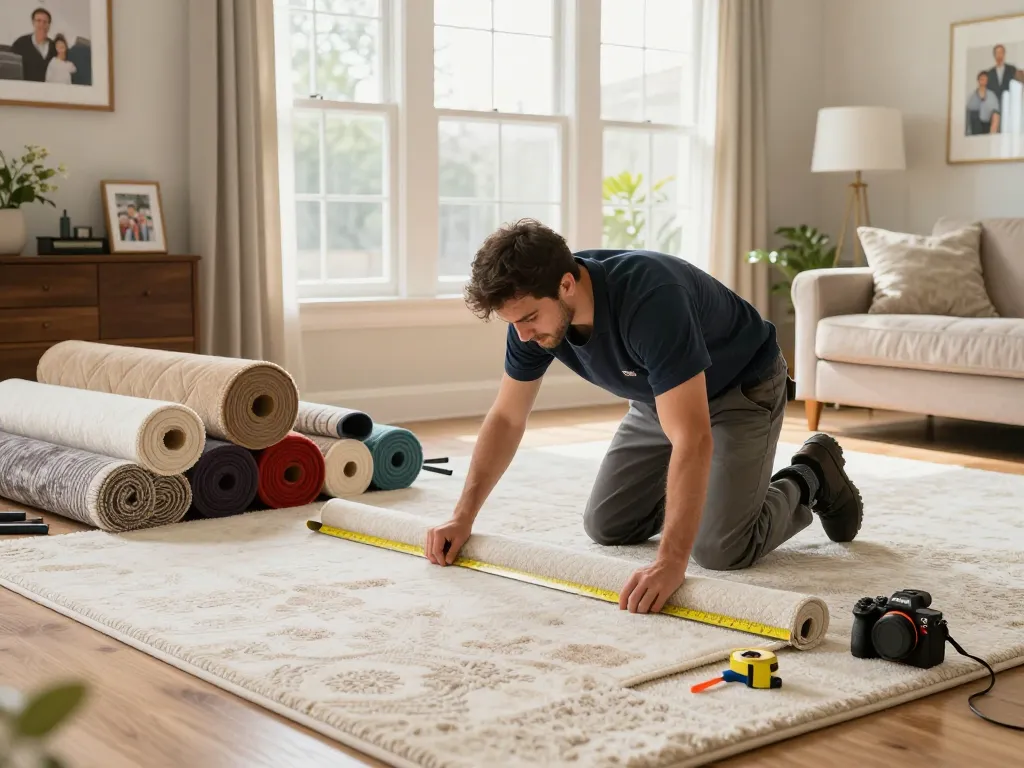
Accurate measurements are vital to ensure a proper fit. Measure the length and width of each room, accounting for curves and recesses. This information will help determine how much carpet material you will need, along with any additional requirements, such as padding.
The Carpet Installation Process
Step-by-Step Guide to Installation
The installation process typically follows several key steps:
- Remove Existing Flooring: If replacing old carpet, the first step involves removing it along with any underlayment.
- Prepare the Subfloor: Inspect for any damages and ensure it is clean and level.
- Install Padding: Lay down carpet padding to improve comfort and prolong the life of the carpet.
- Measure and Cut Carpet: Measure the carpet pieces accurately and cut them to fit the specific room dimensions.
- Lay the Carpet: Install the carpet starting from one corner and stretch it into place, ensuring it adheres securely to the padding.
- Trim and Finish: Trim the carpet to fit along the edges, doors, and transitions to achieve a polished finish.
Tools and Materials Needed for Success
Having the right tools is essential for a successful carpet installation. Some of the critical tools include:
- Carpet cutter
- Stapler or tacks
- Measuring tape
- Utility knife
- Seam tape
- Carpet stretcher
Safety Precautions During Installation
Ensure safety by following precautions such as:
- Wearing safety goggles when cutting carpet.
- Using knee pads to prevent discomfort during prolonged kneeling.
- Ventilating the area if using adhesive to avoid inhalation of fumes.
Post-Installation Care and Maintenance
How to Maintain Your New Carpet
Maintaining your carpet involves regular cleaning and occasional deep cleaning. Vacuuming frequently and addressing spills promptly will help preserve the appearance and extend the life of your carpet.
Common Issues and Solutions After Installation
After installation, homeowners may encounter various issues, including:
- Wrinkling: This can occur if the carpet was not stretched properly. A professional can re-stretch it to create a smooth surface.
- Fading: Protect carpets from direct sunlight with window treatments to prevent discoloration over time.
- Tears or Snags: Small tears can often be repaired with a carpet patching kit, but serious damage may require more extensive repairs.
Routine Cleaning Tips for Longevity
To keep your carpet looking its best:
- Vacuum regularly, at least once a week.
- Schedule professional deep cleanings every 12-18 months.
- Use carpet protectors in high-traffic areas to reduce wear.
Future Trends in Carpet Installation
Emerging Technologies in Carpet Installation
As technology evolves, the carpet industry is witnessing innovations that enhance installation efficiency and carpet performance. For instance, digital measurement tools use laser technology to ensure precise room dimensions, improving installation accuracy.
Sustainable Carpet Options for Modern Homes
Eco-conscious consumers are increasingly favoring carpets made from sustainable materials. Options like recycled fibers and biodegradable carpets are becoming more prevalent, illustrating a shift towards environment-friendly practices in flooring.
Predictions for the Carpet Industry in 2026 and Beyond
Forecasts suggest substantial growth in the carpet industry, driven by technological advancements and rising consumer demand for sustainable products. The integration of smart home technology will likely influence design choices, with carpets featuring embedded sensors and smart features to enhance comfort and functionality.
What are the costs associated with residential carpet installation?
The total cost can vary widely based on factors such as carpet type, installation method, and room size, typically ranging from $2 to $6 per square foot.
How long does it take to install new carpet?
Installation time usually spans from a few hours to a full day, largely depending on the size of the space and the complexity of the installation.
Can I install carpet myself or should I hire a professional?
While DIY installation is feasible, professional services ensure superior quality and longevity, especially for complex layouts.
What are the best carpet materials for high-traffic areas?
Nylon and polyester are often recommended due to their durability and resistance to wear and tear.
How do I choose the right carpet color for my space?
Consider factors such as room size, lighting, and existing decor before making a selection to ensure harmony in your design.