Understanding Residential Carpet Installation
Residential carpet installation is not just about laying down a new floor covering; it is a transformative process that can elevate the aesthetics and comfort of your home environment. Whether you are moving into a new place, renovating your existing space, or simply looking to enhance your home’s interior, understanding the essentials of carpet installation can save you time, money, and stress. When exploring options, Residential carpet installation offers comprehensive insights into the various facets of this process.
What is Residential Carpet Installation?
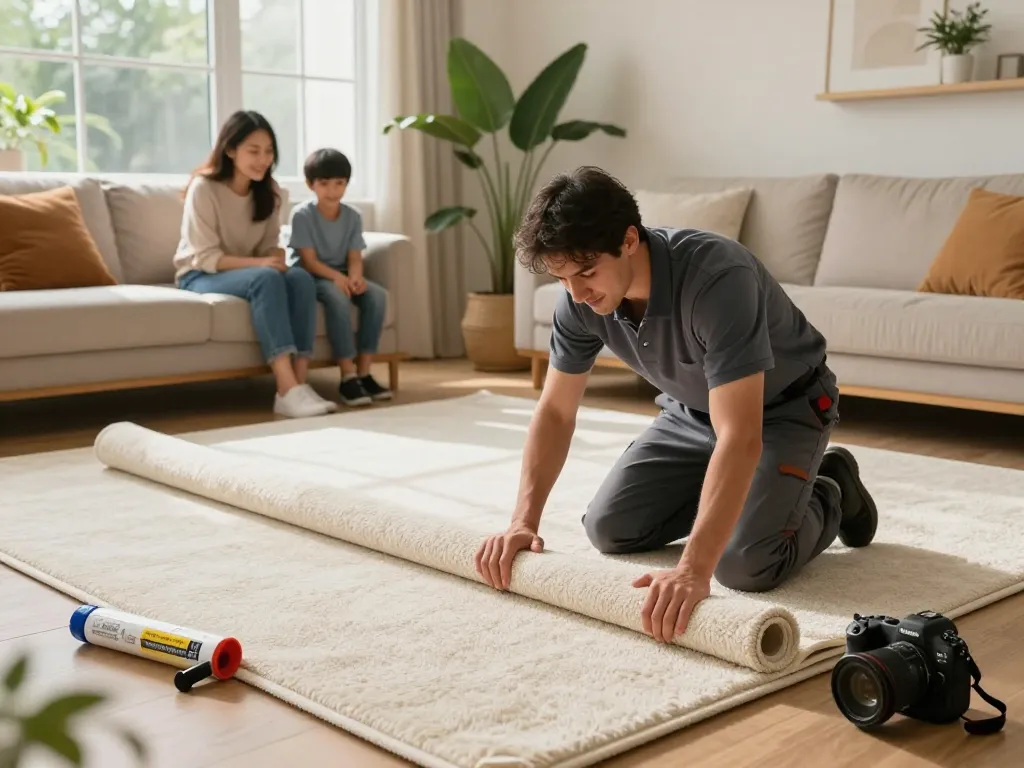
Residential carpet installation involves the fitting of carpets within a home setting, which not only adds warmth and comfort but also contributes to the overall design of your living space. The process generally includes measuring the area, selecting the appropriate carpet type, preparing the subfloor, and finally, the installation itself. Each step requires careful consideration to ensure that the end result meets both aesthetic desires and functional needs.
The Importance of Choosing the Right Carpet
The right carpet can significantly influence your home’s ambiance. It can enhance your style, provide insulation, and improve comfort underfoot. Moreover, incorrect choices can lead to issues like premature wear or difficulty in maintenance. Therefore, understanding the different types of carpets available and their specific attributes is crucial before making a purchase.
Types of Carpets Suitable for Homes
Different carpets suit different environments. Here’s a quick overview of popular options:
- Berber Carpet: Known for its durability and resistance to stains, Berber is ideal for high-traffic areas.
- Plush Carpet: Provides a luxurious feel; perfect for bedrooms or low-traffic areas.
- Frieze Carpet: Features twisted fibers, offering a casual look and high durability.
- Low-Pile Carpet: Great for homes with pets; easy to clean and maintain.
Planning Your Carpet Installation
Before diving into your carpet installation project, proper planning is essential. This phase ensures that you consider all factors and lay a solid foundation for a successful installation. Here are some crucial steps to follow.
Assessing Your Space Before Installation
Take measurements of your rooms to determine how much carpet you will need. Pay attention to any irregular shapes or obstacles that might complicate the installation. This will also help in selecting the right carpet, as some may be better suited for certain layouts.
Setting a Budget for Your Carpet Project
Establishing a budget is vital. The cost of residential carpet installation varies based on material, type, and labor. Carpets can range from inexpensive polyester to luxurious wool, with installation costs also adding to the total. Be prepared to account for potential additional expenses like underpadding or removal of old carpets.
Choosing the Right Installation Method
There are several installation methods to choose from, including:
- Stretch-In Method: Commonly used, involves stretching the carpet over padding for a cushioned feel.
- Glue-Down Method: Best for areas that experience moisture, such as basements.
- DIY Installation: If you have the skills and tools, installing it yourself can save some money.
Choosing the Right Carpet Materials
The carpet fibers you choose will affect not only the appearance but also durability, comfort, and maintenance. Understanding your options can help you make informed choices that meet your lifestyle needs.
Key Factors in Selecting Carpet Fibers
When selecting carpet fibers, consider the following attributes:
- Durability: High-traffic areas require stronger fibers such as nylon or olefin.
- Comfort: Choose softer materials for bedrooms or sitting areas, like wool or polyester.
- Stain Resistance: Some carpets come with specialized treatments that enhance resistance to spills and stains.
Eco-Friendly Carpet Options
In today’s environmentally conscious landscape, eco-friendly carpet options are increasingly popular. Materials like recycled PET, wool, or natural fibers such as jute can be sustainable choices. Not only do they help reduce environmental impact, but they also often come with improved indoor air quality.
Durability and Maintenance Considerations
The choice of carpet should factor in how much maintenance you are willing to undertake. Some carpets require regular cleaning and upkeep, while others are designed to be low-maintenance. Always assess your lifestyle, such as whether you have pets or children, when making this decision.
Finding Professional Carpet Installers
Engaging experienced professionals for your carpet installation can ensure a high-quality finish. However, not all services are created equal, so choosing wisely is crucial.
How to Evaluate Carpet Installation Services
When looking for carpet installers, consider their experience, customer reviews, and guarantees. Request quotes from multiple providers to compare services and pricing, and inquire about their installation methods and the specific brands they work with.
Understanding Installation Techniques and Timing
Installation time can vary significantly based on the size of the area and the complexity of the job. Ensure that your contractor provides a clear timeline to help manage expectations.
Common Issues and How to Resolve Them
Anticipating common installation issues can save you from future headaches. Issues like bubbling, seams coming undone, or improper fitting can arise. It’s essential to address any concerns with your installer promptly to ensure they are resolved before finalizing the project.
Future Trends in Residential Carpet Installation
The carpet industry is evolving, and keeping up with trends can enhance your home’s appeal and functionality. Here’s what to expect in the coming years.
Innovative Carpet Designs and Materials for 2026
As design trends shift, we’ll see an increase in bold patterns, textures, and color palettes. Carpets that mimic natural elements or use digital printing technology will become more prevalent, allowing homeowners to express their uniqueness.
Technology in Carpet Installation
Advancements in technology are making the installation process more efficient. Tools like digital measuring instruments and 3D visualization software allow for more precise planning and execution.
Creating Sustainable Living Spaces with Carpets
With an emphasis on sustainability, the future will likely see an increased use of recycled materials and environmentally friendly manufacturing processes. Homeowners will have even more options that are both stylish and eco-conscious.
How much does it cost for someone to install a carpet?
The cost varies widely depending on the size of the area and the type of carpet and installation method chosen. On average, homeowners can expect to pay between $12.50 to $20 per square meter for professional installation.
What are the best carpet types for high-traffic areas?
Nylon and polyester carpets are generally the best options for high-traffic areas due to their durability and resistance to wear and staining.
How long does carpet installation typically take?
Installation can typically take anywhere from a few hours to a full day, depending on the size and complexity of the job.
Can I install carpet myself?
If you have the necessary skills and tools, DIY carpet installation can be a rewarding project. However, improper installation can lead to issues down the line, so weigh your options carefully.
What maintenance is required for new carpets?
Regular vacuuming, immediate cleaning of spills, and professional deep cleaning once a year can help maintain your carpets in pristine condition.